When to Sell a BTL: The Optimal Exit-Year Method
The "right" year to sell isn't the year of the biggest paper gain — it's the year of peak annualised after-tax return. We project every future year through the full BTL model + CGT (band split, AEA, PRR) to find the genuine optimum.
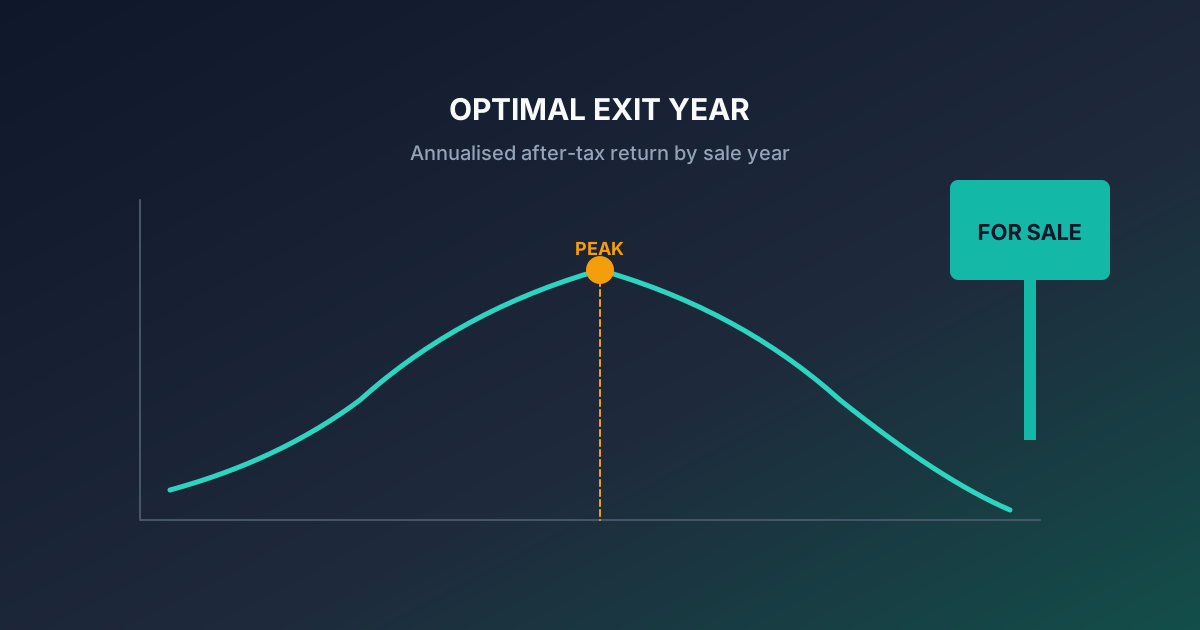
The "right" year to sell a BTL is not the year of biggest paper gain — it's the year of peak annualised after-tax return. Hold too long and rental returns drag the IRR down; sell too early and you've paid acquisition costs you never fully amortised.
The components
- Cash flow accumulated through hold (after Section 24 / corporation tax).
- Equity appreciation: capital growth + amortisation of repayment portion.
- Selling costs: agent fee, legal, sometimes early redemption charges.
- CGT (residential): 18% in basic-band headroom, 24% above. Less £3,000 AEA.
Reliefs that move the answer materially
- PRR (Principal Private Residence): months of actual occupation + final 9 months always exempt. Time-apportioned.
- Lettings Relief: capped £40,000, shared-occupancy condition only.
- Pre-sale spousal transfer: doubles the AEA and may use the spouse's lower band.
The optimiser
The CGT + Optimal Sale Year calculator projects future sale prices under your growth assumption, computes CGT at each year, and identifies the year of maximum net proceeds. The Full BTL Investment Model goes further — combining the rental-return curve with the CGT-adjusted exit to find peak annualised total return.