SDLTLBTTLTTStamp duty
SDLT vs LBTT vs LTT: The Same House in Three Countries
The UK has three separate transaction-tax regimes — SDLT in England & NI, LBTT in Scotland, LTT in Wales — with very different bands, surcharges, and reliefs. Here's exactly what the same purchase price costs in each jurisdiction in 2026/27.
23 February 2026·8 min read
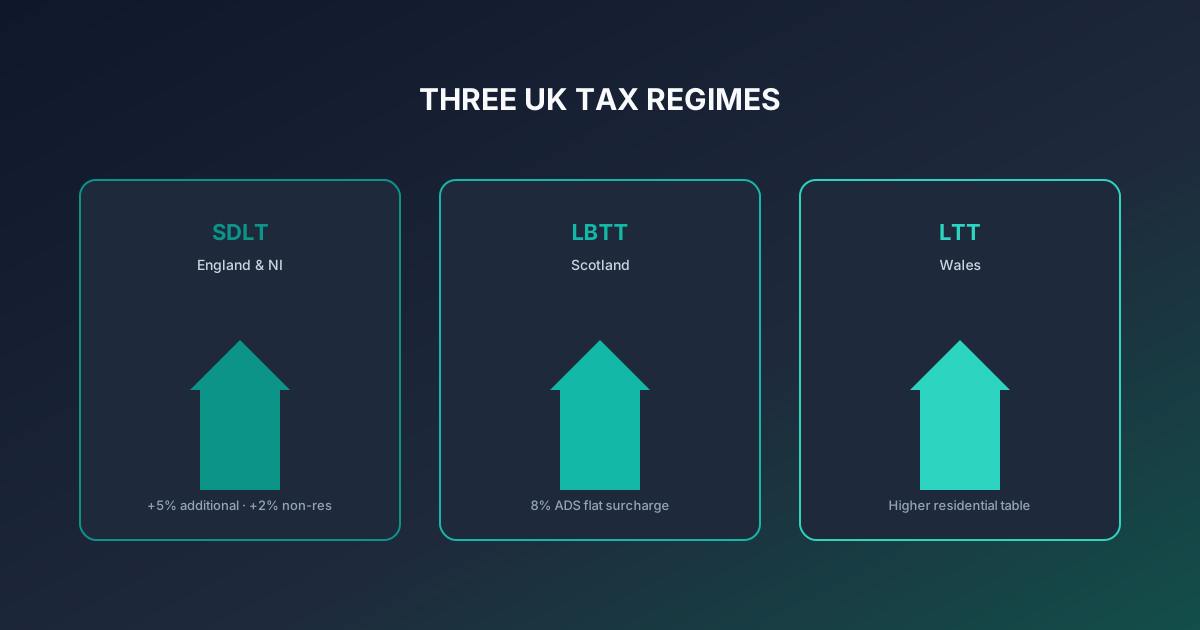
The UK technically operates three separate transaction-tax regimes. Buy a £350,000 house in Manchester, Edinburgh and Cardiff and you pay completely different tax. Here's the same purchase in each — main residence, additional-property, and first-time buyer — at 2026/27 rates.
£350,000 main residence — home mover
| England & NI (SDLT) | £7,500 |
| Scotland (LBTT) | £8,350 |
| Wales (LTT) | £7,500 |
£350,000 additional property (BTL / second home)
| England & NI — SDLT + 5% surcharge | £25,000 |
| Scotland — LBTT + 6% ADS (flat on whole price) | £29,350 |
| Wales — separate Higher Residential table | £30,250 |
£350,000 first-time buyer
| England & NI — FTB relief, 0% to £300k, 5% above | £2,500 |
| Scotland — FTB relief raises nil-rate to £175k | £6,600 |
| Wales — no FTB relief, standard table | £7,500 |
The crucial structural differences
- SDLT additional-property is a +5% per-band surcharge; non-UK resident adds another +2% on top of that.
- Scottish ADS is a flat 6% on the entire price — not banded.
- Wales uses an entirely separate Higher Residential band table, not a percentage uplift on the main table.
- Wales has no first-time-buyer relief.
The unified Stamp Duty calculator lets you switch jurisdictions and see the bands and surcharges break down side by side.